
TOLL FREE 877 278 2142 USA
TOLL FREE 844 776 3727 USA & CAN
TOLL FREE 877 278 2142 USA
TOLL FREE 844 776 3727 USA & CAN
Take a vacation where you don’t have to worry about weather conditions, and where you can enjoy outdoor activities anytime of the day or night. The Riviera Maya is the kind of vacation spot where you can relax on white sand beaches or be active by snorkeling, diving, kayaking, and more.
Airplane Tickets
One advantage of traveling to this area is the airline access. With all the major carriers flying into Cancun (Delta, American, United, and so on), as well as direct flights from most major U.S. cities, getting here is easy and relatively affordable.
As with any vacation destination, demand will dictate flight availability. According to research from airfare tracking website Hopper.com, because Cancun is a leisure route, prices tend to be more stable and often fall until seven days before departure, though the difference between booking 35 days in advance and 10 days in advance is $8. But all that goes out the window at peak times—Christmas, spring break—when being an early bird pays off.
Visa
U.S. citizens visiting for less than 180 days don’t need a visa to enter Mexico. However, you will need to have a visitor’s permit, which can be obtained by filling out a form provided by your airline, travel agency, or at the point of entry in Mexico. Since 2007, a valid passport has been required to enter Mexico, whether you’re flying, driving, or arriving by cruise ship. Mexico requires that your passport be valid for at least 90 days following your departure date, but it’s a good idea to have six months’ validity on your passport at all times (not to mention unused passport pages for necessary stamps).
What to bring?
When you’re coming to the Riviera Maya, you might think there’s little more to pack than a bathing suit and flip-flops. But with its jungles to discover, ruins to climb, and underwater worlds to explore, this slice of the Yucatan Peninsula is a dream for adventurers. So depending on what activities you have planned, you might want to bring hiking shoes, diving gear, and outdoor clothing. And while it’s rare, the Yucatan can sometimes have cool nights in winter, so it’s always smart to bring a sweater, just in case.

The places you should consider if you're visiting Riviera Maya.
This walled city was one of the last built by the Mayans. The pre-Columbian cliff top ruins are among the best preserved coastal sites where you can see stunning ocean views. Tulum has been a favorite destination for yogis and surfers for many years, but more recently the stylish hippie town has gained a reputation with international foodies, too. Unleash your inner food-lover at Hartwood with its daily-changing chalkboard menu. The daily catch — including grouper, mahi mahi, and Caribbean octopus — is cooked over an open flame for a rustic sea-to-table feast. Another option is for you to visit one of the local favorites, Antojitos La Chiapaneca, for some addictive tacos. Keep your evening going at Gitano with excellent mezcal cocktails and an outdoor disco floor.
Playa del Carmen is one of the most popular places to stay in the Riviera Maya. This coastal town offers a relaxed environment and welcomes you to wander around the pedestrian-only Quinta Avenida, or Fifth Avenue, that stretches 20 blocks. Here, you can enjoy many shops and bars. You can also walk a little further and enjoy beach-front hotels, restaurants, and clubs while taking in the beauty of the Caribbean Sea. Playa del Carmen is located in the center of the Riviera Maya which makes it a great home base for you to explore the historic ruins and natural wonders of the surrounding area.
Between Playa del Carmen and Tulum is this small beachfront community. Akumal translates to "place of turtles" in Mayan. You can see where the town gets its name each summer when hundreds of endangered sea turtles return to the shores to lay their eggs. You can scuba dive and check out the beautiful coral reefs that are home to countless tropical fish, or, if you're not scuba-certified, you can enjoy the ocean landscape by snorkeling. You also have the option to dive and explore the fresh water cenotes and shipwrecks. If you prefer to stay on the land, hiking the caves and zip lining at Aktun-Chen National Park is a great way to spend your vacation.
This mysterious Mayan city is surrounded by five cenotes, which is fitting because Cobá translates to "muddy waters." At this archaeological site, you can see the hub of an intricate system of paved stone causeways — called sacbes — that once connected Mayan city-states. Climb the steep steps to the top of the Nohoch Mul pyramid where you can survey the land. You can also purchase local crafts from artisans in the adjacent pueblo. Cobá isn't overly crowded because of its remote location, and many of the structures have not yet been excavated. This makes it a great option if you're looking for history without a lot of tourists.
Nature lovers will find peace and immense beauty in the "place where the sky is born," or Sian Ka'an in Mayan. This protected biosphere reserve, the third largest in the country, offers you days of swimming or rowing through picturesque lagoons and hiking into the jungle. You can spot 800 species of plants and 360 different animals, including monkeys, jaguars, ocelots, crocodiles, and turtles. The vibrant ecosystem is filled with a kaleidoscope of color and is still off the beaten path for most visitors — it will make you feel like you have the whole place to yourself.
SQN Getaways offers you the best lodging options whether you are traveling with your family or your special one.
Source: How to Travel to the Riviera Maya, The 6 best destinations in Riviera Maya
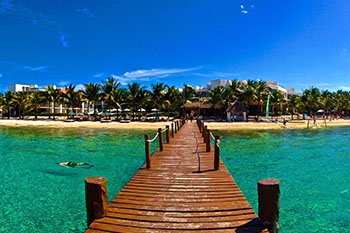
The island of Cozumel is located off Mexico's eastern coast. Cozumel sits within the Caribbean Sea, south of Cancun and near Playa del Carmen on the mainland. Part of the Mexican Riviera Maya, tourists like to go to Cozumel primarily for the beaches and water recreation. The island experiences tropical weather and offers three cruise ship piers, including an international pier.
You can check our Riviera Maya packages https://sqngetaways.com/packages
Mayan Ruins
Cozumel holds several ancient Mayan ruins sites. San Gervasio is the largest site on the island and the shine of the goddess of fertility Ix Chel. The island contains 24 sites discovered thus far, including El Cedral and the coastal watchtower Castillo Real. Visitors may also join a larger tour including sites on the Yucatan Peninsula.
Beaches
The list of Cozumel's beaches is an impressive one for an island only 32 miles long and 9 miles wide. The beaches include Passion Island Beach, Playa Uvas, Playa Corona and Paradise Beach. According to the This is Cozumel website, San Francisco is a family beach, Palancar Beach is a quieter area and Playa San Martin offers unspoiled beauty on the eastern side of the island. Paradise Beach serves as an example of all of Cozumel's beaches, lined with coconut palms, featuring white sands and clear water. Paradise Beach also has a heated pool, restrooms and changing rooms.
Diving
A large number of coral reefs ring the island. The reefs are a part of the Cozumel Reefs National Marine Park. Dives in the area range from 25 feet to 130 feet in depth, depending on the reef, and area dives range from beginner level to advanced. Dive shops and scuba instruction are available on the island. Businesses such as Aqua Safari offer specialty diving courses for night dives, deep and drift diving.
Natural Areas
Punta Sur Eco Park, a 2,700-acre reserve, allows visitors to snorkel Chunchacaab reef, enjoy a catamaran ride or kayak tour of Colombia lagoon and explore the Celarain lighthouse or the Mayan ruin El Caracol. The park brings visitors close to wildlife and tropical flowers. Punta Sur Beach has restrooms and showers for those who want to go swimming and sunning.

Parks
Cozumel's parks offer visitors a wide variety of activities in and out of the water. At Chankanaab Park, only 3 miles from the cruise ship terminals, guests can try water recreation such as snorkeling, scuba, snuba, sea trekking, parasailing, and kitesurfing. Guests also have the opportunity to swim with manatees, sea lions, and dolphins. The park offers hammocks, beach chairs, huts, restrooms and showers for those who want to relax on the beach
At Playa Mia Grand Beach Park, guests may learn to prepare Mexican cuisine; visit the shopping center for crafts, clothing, jewelry and beach supplies; snorkel, scuba dive, take a banana boat ride or enjoy an outdoor massage. The park offers beach games, a swimming pool and for kids, it contains puzzles and giant-sized games. Craft sessions, sand castle contests and Spanish language lessons are also available, the also rents lockers, towels and umbrellas for use on the nearly 500 feet of sandy beach.
So choose your dates, book your stay at https://sqngetaways.com/packages, book your flights and get ready to have the most incredible Beach Geatway.
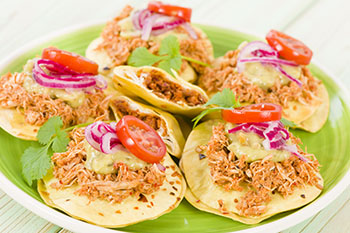
A vacation is an escape from the routine and a great opportunity to try new things. You’re visiting a whole other country with an ancient and rich culinary history. Traditional Mexican cuisine was added to the Representative List of the Intangible Cultural Heritage of Humanity by UNESCO in 2010, so try something new at every meal, and as we say here, “Buen provecho!” (Enjoy your meal!)
1.Sopa de Lima
A very tasty kind of chicken soup with a twist! It is based on a light chicken broth and served with shredded chicken, deep-fried tortilla chips, and what in the Yucatan Peninsula is known as lima. Not to be confused with limes or lemons, the limes a less acidic citrus fruit similar to lime but sweeter like an orange. Intriguing? Wait till you try it!
2.Panuchos
Small, handmade corn tortillas, stuffed with beans and then fried in oil or lard. They are served with shredded lettuce, some meat such as chicken, turkey or pork, tomato, and onion, previously seasoned with sour orange and salt. You should also try them with avocado, carrot, and colorado (a paste of pipian, chile, and achiote, also known as annato seeds). The panucho is said to have originated in Merida by a street vendor out of his typical ingredients but wanting to serve his hungry customers. That, however, is a story for another post.
3.Salbutes
Corn flour tortillas, deep fried in oil until they inflate and get crispy. They can be served with ground beef, chicken, or shredded turkey and are seasoned with tomato and lettuce, avocado slices, and chopped red onion. Ask for some refried black beans as a side dish. In fact, ask for panuchos and salbutes so that you can savor the flavor of both of these staples of Yucatecan cuisine.
4.Papadzules
These delicacies consist of corn tortillas soaked in a sauce made with pumpkin seeds, stuffed with eggs, and then bathed in a sauce of tomato with some habanero chili and onion. They are often garnished with chopped red onion and habanero chili, as well. Be careful with the habanero, it can be quite hot! Remember, if you’re not out for a spicy adventure, make sure to tell the vendor: sin picante, por favor! (Hold the spicy, please!)
5. Cochinita Pibil
A real feast for your senses, this dish is basically pork meat marinated in achiote, wrapped in a banana leaf, and cooked in an earth oven. According to some recipes from the early 1900’s, the entire pork (after some preparations, mind you) was baked in the earth oven. The cochinita pibil is accompanied with red onion in a sauce made with sour orange juice and habanero. It is usually eaten in tortas (a kind of sandwich) and tacos. This dish is also made with chicken; the famous Pollo Pibil. However you eat it and whatever meat you choose, Cochinita Pibil is definitely pulled pork paradise!

6. Kibis
Of course, we cannot forget the picturesque kibis. You can find people walking around the beaches with a glass box perched on their heads and shouting their singsong proclamation of “kibis… kibis!” Kibis are made with mashed wheat and ground beef or pork and seasoned with some spearmint, garlic, and onion. They are oval or round in shape and deeply fried. You should always eat them with some chopped red onions and, if you dare, habanero chili. These delicious darlings of Yucatan cuisine were actually brought to the region at the beginning of the 19th century by Lebanese immigrants. Today, they are a staple of the culinary heritage of the Yucatan Peninsula.
Don´t miss the chance to delve into Yucatan food and travel to the Riviera Maya check our Travel deals and BOOK NOW your beach getaway!
Source:
Yucatan Cuisine: Yet Another Reason to Visit the Mexican Caribbean
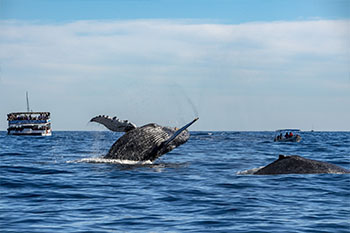
Every year Gray, blue and humpback Whales migrate away from the cold, to the warmer waters near Mexico to breed and bear their calves… They begin arriving in November and from December to the end of March each year, there’s an opportunity to catch glimpses of the amazing Whales …
Whale is the common name for marine mammals which belong to the Cetacean order, which also includes Dolphins and porpoises. Whales collectively inhabit all the world’s oceans and number in the millions, with annual population growth rate estimates for various species ranging from 3-13%.
This bay is nestled between the states of Jalisco and Nayarit, so Puerto Vallarta is a good point of departure. As these mighty whales reach 14 meters in length, it is possible to see them from the beach while they’re jumping in the sea, but there’s nothing compared to getting a closer view. A tour is advisable since the agencies are constantly monitoring the whale sighting spots and know exactly where to go. You will see dolphins along the way, so get on board and enjoy a photo safari.
From December to March, it is possible to see 11 different species of these enormous whales. The Mazatlan-Teacapan zone carries out activities for humpback whales. During boat tours, it’s possible to observe dolphins, sea lions, and even killer whales. Mazatlan also has a stunning beach, so take a few days to soak up the sun and visit the “Old Mazatlan,” the Malecon and Isla de la Piedra.
Looking for the right conditions for mating, the gray whales swim along Los Cabos in Baja California from January to April. There are different options of transportation, from a standard boat to a luxury trimaran. For a better view, a boat with a glass bottom will help you get a fuller view of these animals. Relax during the ride by watching the stunning views of the Pacific Ocean, and photograph the sea lions and exotic birds along the way.

To help you prepare for your whale watching excursion, we have some tips that will improve your experience.
You need to be in the selected spot in Mexico between December and March, which is when the whales can be found in Mexican waters.
Eat a good, wholesome, breakfast; porridge or cereals and fruits are ideal. Don’t go whale watching on an empty stomach; also, you are less likely to suffer from motion sickness if you have eaten than not. Avoid too much greasy food and avoid alcohol before and during your excursion.
If you are experienced with binoculars, bring them along. Most people will not find them much use: it’s an art using binoculars on a moving boat and the field of vision is quite restricted.
A good camera with a zoom or telephoto lens is ideal. If your camera needs batteries, bring additional ones.
Bring rubber-soled shoes that will support your feet and your ankles as the boat moves and the waves hit up against the side of the vessel causing shudders or sudden movements. Flip-flops and heels are not appropriate on a whale cruise boat.
If you have never been on a long boat trip before, you might like to take some motion sickness medicine with you. You could purchase this at home or from any pharmacy in Mexico. You will need to take the medications before you board the vessel; it’s no use taking it once you are on the water.
Be sure you pack a high-factor sunblock and a hat as there is little protection from the sun once you are out on the open waters of the Pacific (besides the boat canopy which may only provide partial cover). Over 50% of the suns rays bounce off the ocean’s surface and hit you – so you can burn even in shade. You can also sunburn under overcast skies as the sun’s UV rays can penetrate cloud. If you are traveling with children, be sure they are well protected from the sun with sunblock a hat.
Most Whale Cruise boats have two decks; an upper deck, which offers better distance visibility and a lower deck, which is closer to the water (and thus the whales, when they appear) but with restricted visibility at distances. It’s impossible to predict when or how the Whales will appear. There are very strict maritime guidelines about how a boat should approach and be maneuver around whales and the skipper may not be able to go in the direction that you think will offer you the best view.
A lot of time on a whale watching excursion can be taken up with waiting for the whales to appear. Children, especially young children, can get bored quickly with nothing to see or do. Bring crayons, coloring pads, books, and small games to keep your children entertained during the day. Also, pack a picnic lunch and bring plenty of bottled water.